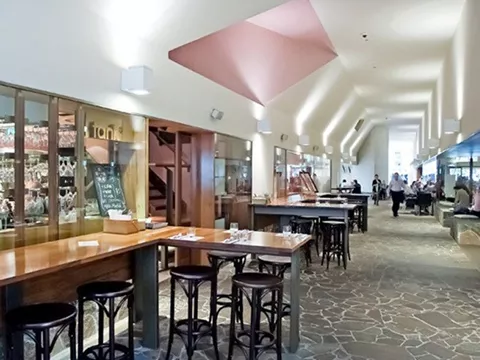
Businesses opening a corporate bank account in the UAE are now evaluated on more than documentation. Banks assess whether a company operates from a verifiable, inspection-ready location that reflects genuine activity. Choosing from approved business locations is often the first step toward meeting these expectations, as banks increasingly align onboarding decisions with physical presence.
A physical inspection confirms that a company is not only registered but actively operating from a legitimate workspace. Relationship managers may verify signage, desk allocation, meeting facilities, and staff presence. These checks influence onboarding timelines, risk classification, and ongoing account stability. Companies relying on weak or unverifiable setups frequently encounter delays or rejection.
Serviced offices provide a structured environment that aligns with these requirements. They offer documented tenancy, staffed reception, and professional infrastructure that can be validated during inspections. This combination supports smoother bank interactions and reduces friction during compliance reviews.
This guide explains how physical inspections work, what banks expect during verification, and how choosing the right office setup directly impacts approval outcomes. It also outlines common failure points and how businesses can prepare before submitting their application.
Understanding Physical Inspection Requirements for UAE Business Bank Accounts
Physical inspection is a standard step in UAE bank account onboarding. It verifies that a business operates from a real, functional location rather than a nominal address. Banks use this process to assess credibility, operational readiness, and risk exposure before approving an account.
During inspection, a bank representative or third-party verifier may visit the office location. The objective is to confirm that the company has a dedicated workspace that aligns with its licensed activity. Inspectors typically look for consistency between submitted documents and actual operations. This includes company signage, workspace allocation, employee presence, and access to meeting facilities.
The inspection outcome directly influences account approval. A well-prepared office that reflects active use supports faster onboarding and stronger trust with the bank. In contrast, incomplete setups or shared environments without clear allocation can raise concerns about substance and legitimacy.
Preparation requires coordination between documentation and physical setup. Businesses should ensure that lease agreements, trade licenses, and operational details match what is presented on-site. Serviced offices often simplify this process by offering standardized environments that meet inspection expectations and reduce inconsistencies during verification.
What Banks Verify During a Physical Inspection
Banks apply a structured checklist when conducting a physical inspection. The goal is to confirm that the business operates from a credible environment that supports its licensed activity. Verification focuses on tangible indicators of presence rather than declarations alone.
Inspectors typically assess:
- Workspace allocation: A dedicated desk or private office assigned to the company
- Company identification: Clear signage or internal identification matching the trade license
- Operational readiness: Access to meeting rooms, internet, and administrative support
- Staff presence: Evidence of employees or authorized representatives using the space
- Consistency: Alignment between submitted documents and on-site setup
These factors contribute to how the bank classifies risk. A structured office environment strengthens credibility and reduces follow-up queries. Businesses operating from compliant setups benefit from standardized infrastructure that aligns with these verification points.
Inspection outcomes are rarely isolated. They influence onboarding speed, account limits, and long-term relationship management. A strong first impression reduces friction across all stages of banking engagement.
Companies preparing for inspection should review their setup against these criteria before scheduling verification. Addressing gaps early prevents delays and supports a smoother approval process.
Why Serviced Offices Support Faster Bank Approval
Serviced offices align closely with the criteria banks use during inspections. They provide a structured, professional environment that can be verified without ambiguity. This reduces uncertainty during onboarding and supports faster decision-making.
Key advantages include:
- Documented tenancy: Lease agreements and occupancy records that match licensing documents
- Dedicated space: Clearly assigned desks or private offices tied to the company name
- Professional reception: Staff who can confirm occupancy and handle verification visits
- Operational facilities: Meeting rooms, secure internet, and business services available on-site
These elements create a consistent narrative between paperwork and physical presence. Banks rely on this consistency when assessing risk. Environments that lack clear allocation or operational support often trigger additional checks, which can delay approval.
Choosing a location ensures that the office meets common inspection standards across the UAE. This standardization helps companies avoid last-minute adjustments and supports a smoother onboarding process.
A well-prepared serviced office does not guarantee approval on its own. It strengthens the application by addressing one of the most critical factors in banking compliance, which is verifiable business activity in a credible location.
Common Reasons Bank Inspections Fail and How to Avoid Them
Inspection failures usually stem from gaps between documentation and the actual workspace. Banks look for consistency, and any mismatch can trigger delays or rejection. Addressing these issues before scheduling verification improves approval probability.
Common failure points include:
- No dedicated workspace: Shared or hot-desk setups without clear allocation to the company
- Missing or unclear signage: Company name not visible or not matching the trade license
- Inactive environment: No staff present or no evidence of regular use
- Document mismatch: Lease, license, and business activity not aligned with the on-site setup
- Limited facilities: Lack of meeting rooms or basic operational infrastructure
A simple pre-inspection check can reduce risk. Use the table below to validate readiness:
|
Requirement
|
What to Confirm
|
Outcome
|
|
Workspace
|
Assigned desk or private office
|
Clear allocation for inspection
|
|
Signage
|
Company name visible
|
Matches license details
|
|
Activity
|
Staff or representative present
|
Demonstrates operations
|
|
Documents
|
Lease and license aligned
|
No discrepancies
|
|
Facilities
|
Meeting room access
|
Supports business use
|
Businesses with higher regulatory scrutiny should ensure stronger physical presence. Certain activities require additional substance, which is explained in the related guide on High-Risk License Substance.
Preparing against these criteria reduces follow-up queries and supports a smoother inspection outcome. Most delays occur when businesses attempt to resolve these issues after the inspection has already been scheduled.
How Bank Selection Affects Inspection and Approval Outcomes
Bank policies in the UAE differ in how they evaluate physical presence, even when core inspection principles remain consistent. Some banks apply stricter verification standards, while others focus on operational clarity and documentation alignment. Understanding these differences helps businesses prepare more effectively before initiating the application.
Banks typically assess three areas during and after inspection:
- Risk profile of the activity: Certain industries are reviewed with additional scrutiny
- Strength of physical presence: Quality of workspace, facilities, and visibility
- Operational consistency: Alignment between business model, documents, and on-site setup
A structured office environment supports approval across most banks, but expectations can vary. Some institutions place higher emphasis on private offices, while others accept well-defined shared environments if allocation is clear and verifiable. This is where preparation becomes critical.
Choosing the right bank strategy alongside a compliant office setup improves approval probability. Businesses comparing banking approaches can review differences in onboarding behavior and inspection tolerance in the related analysis of Wio vs. ENBD for LLCs.
Aligning office readiness with the chosen bank’s expectations reduces friction during onboarding. It also supports long-term account stability, as the same verification standards often apply during periodic reviews after the account is opened.
Frequently Asked Questions